Secret to Perfect Crab Rangoon: Real Crab & Creamy Filling Tips
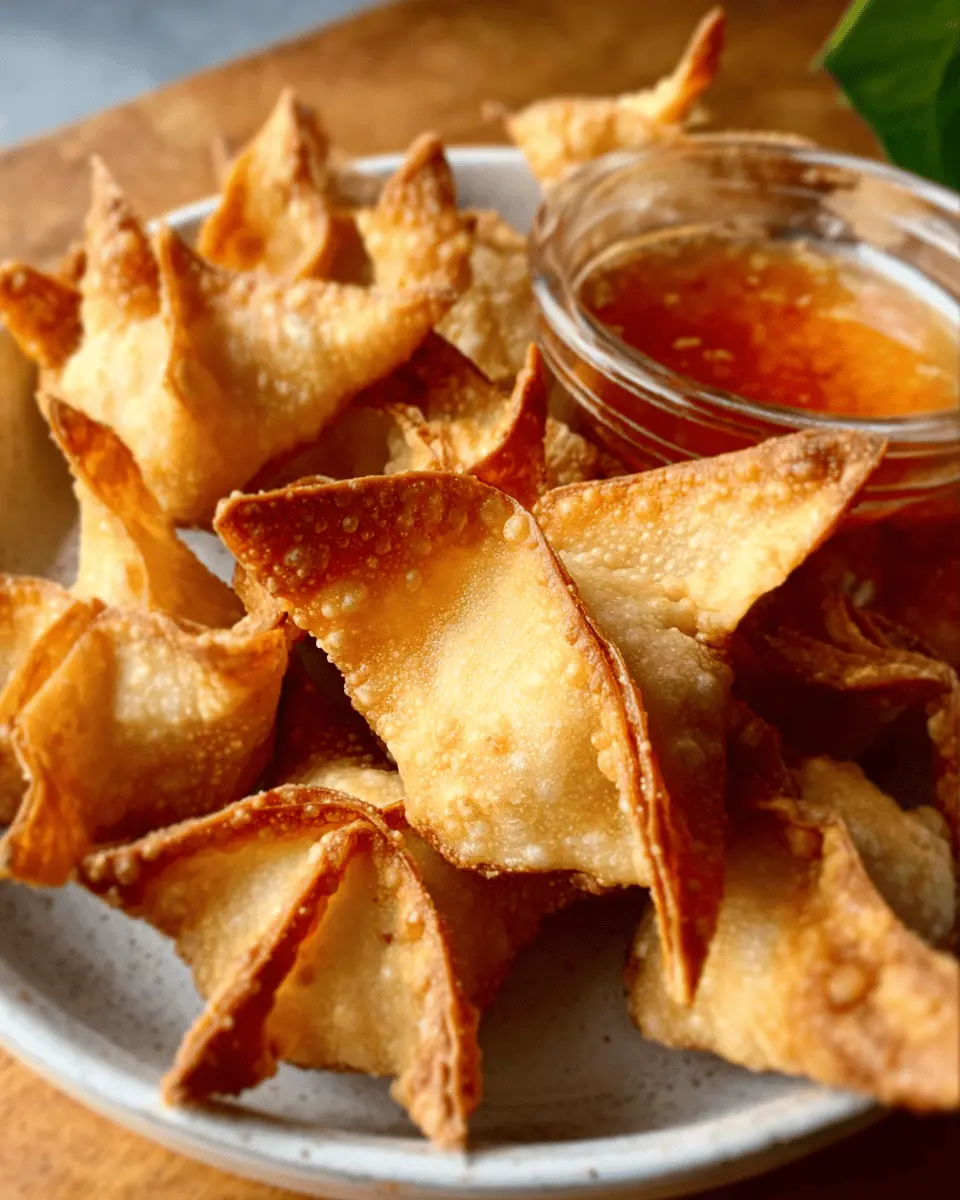
Few appetizers rival the sheer delight of a perfectly crafted crab rangoon. That golden, blistered wonton exterior, giving way to a shatteringly crisp bite before revealing a molten, creamy, and subtly sweet filling – it’s the stuff of culinary dreams. For many, it's a non-negotiable order at any Chinese-American restaurant. But what if we told you that achieving that restaurant-quality perfection, or even surpassing it, is entirely possible in your own kitchen? The secret lies in a few key ingredients and techniques, focusing on the quality of your crab and the lusciousness of your filling.
While various delightful takes exist, from baked crab rangoon to air-fried cream cheese wontons for a vegetarian twist, today we're diving deep into the art of the traditional, deep-fried version. Get ready to elevate your takeout game and impress your taste buds with crispy, creamy bites that are truly better than anything you've ever had delivered.
The Heart of the Matter: Crafting the Irresistibly Creamy Filling
The soul of any exceptional crab rangoon lies squarely in its filling. A truly stellar filling is not just creamy but also rich in flavor, perfectly balanced between savory, sweet, and umami notes. Here’s how to master it:
- Cream Cheese: Your Foundation of Creaminess
The importance of room temperature cream cheese cannot be overstated. Picture this: cold, firm cream cheese trying to mix with other ingredients – you'll end up with lumps, an inconsistent texture, and a frustrating experience. For a silky-smooth, effortlessly blendable filling, allow your cream cheese to sit on the counter for at least 30-45 minutes. If you're short on time, cutting it into smaller cubes can speed up the process. We highly recommend using full-fat cream cheese for the richest, most decadent texture and flavor, which truly elevates the rangoon experience. - Crab Meat: The Star of the Show
This is where the "real crab" magic happens. While imitation crab meat offers a budget-friendly and milder, slightly sweeter alternative, using real crab meat is a game-changer for authentic flavor and texture. Opt for lump crab meat, typically found in plastic tubs in the refrigerated seafood section of your grocery store. It’s pricier, yes, but the difference in taste and the succulent, flaky texture is absolutely worth the investment for that premium, restaurant-style quality. - Seasoning: Simple Yet Profound
The classic crab rangoon filling often relies on minimal seasoning, allowing the natural sweetness of the crab and the tang of the cream cheese to shine. Soy sauce is often the sole seasoning, providing essential saltiness and a depth of umami that creates that quintessential Chinese takeout flavor. While some recipes might incorporate Worcestershire sauce, we find that a good quality light soy sauce delivers the most authentic and clean taste profile for this particular dish. For an extra subtle layer of complexity, a tiny dash of white pepper or a pinch of garlic powder can add a nuanced warmth without overpowering the delicate crab flavor.
Before mixing, ensure you drain the crab meat exceptionally well. Excess moisture is the enemy of a perfectly crispy rangoon, as it can lead to soggy wrappers or a less intense filling flavor. Gently flake the crab, rather than shredding it, to maintain those appealing chunks that make every bite satisfying.
Wonton Wisdom: Choosing and Handling Your Wrappers
The crisp shell of a crab rangoon is just as crucial as its creamy interior. The right wrapper and proper handling are key to achieving that signature golden crunch.
- Selecting Your Wrappers
Standard square wonton wrappers are what you're looking for. You'll typically find them in the refrigerated produce section of most grocery stores, often near tofu or other Asian ingredients. They're thin, pliable, and fry up beautifully. Check the expiry date to ensure freshness, as older wrappers can be more prone to tearing. - Keeping Them Pliable
Wonton wrappers dry out quickly when exposed to air, becoming brittle and difficult to work with. Dry wrappers are harder to seal, more prone to cracking during assembly, and unfortunately, more likely to split open while frying, leading to a messy, oil-logged rangoon. To prevent this, keep your stack of wrappers covered with a lightly damp kitchen towel while you work, exposing only a few at a time. This simple trick ensures they remain supple and easy to fold and seal. - Sealing for Success
A properly sealed wonton is crucial for preventing the delicious filling from escaping into the hot oil. A small bowl of water is your best friend here. Lightly moisten the edges of the wonton wrapper with your finger before pressing them together firmly. There are various folding techniques – simple triangles, squares, or even decorative flower shapes – but the principle remains the same: ensure a tight seal all around. Don't overfill the wrappers; a modest amount of filling allows for easy sealing and ensures even cooking.
Frying for Perfection: Achieving the Golden, Crispy Exterior
Now, for the exhilarating part: transforming your neatly folded bundles into golden, crispy perfection. Mastering the frying technique is paramount for that coveted shatteringly crisp texture without a greasy finish. For a deeper dive into optimal frying methods, check out our guide on Deep-Fried Crab Rangoon: Achieve Restaurant Quality at Home.
- Oil Selection and Temperature
Choose a neutral-flavored oil with a high smoke point, such as vegetable, canola, or avocado oil. Avoid olive oil, as its low smoke point can lead to burnt flavors and less stable frying. You'll need enough oil to submerge the rangoon partially or fully – typically 2-3 inches deep in a heavy-bottomed pot or Dutch oven. - The Frying Process
Carefully place the folded rangoon into the hot oil, ensuring not to overcrowd the pot. Fry for 2-3 minutes, or until they turn a beautiful golden brown and are visibly crispy. Gently flip them if necessary to ensure even browning. Once golden, remove them with a slotted spoon or spider and transfer them to a wire rack set over a baking sheet lined with paper towels. This allows excess oil to drain away, maintaining their crispness. Serve immediately for the best experience.
The ideal frying temperature is between 350-375°F (175-190°C). This is non-negotiable for perfectly cooked rangoon. Too low, and your wontons will soak up oil, becoming greasy and soggy. Too high, and they'll brown quickly on the outside while the filling remains cold or undercooked. A good kitchen thermometer is your best friend here. Maintain consistent temperature by frying in small batches, which prevents the oil temperature from dropping too drastically.
Beyond the Basics: Serving and Customization Tips
While freshly fried crab rangoon are undeniably delicious on their own, a dipping sauce can elevate the experience even further. Classic choices include sweet-and-sour sauce, offering a delightful tangy counterpoint, or spicy Chinese mustard for those who enjoy a kick. Other popular options include duck sauce, a sweet plum sauce, or even a homemade sriracha mayo for a modern twist.
Don't be afraid to experiment with your filling, either! While the classic rendition is perfect, a hint of finely minced green onion can add a fresh bite, or a tiny amount of water chestnuts can introduce a delightful crunch without altering the core flavor profile too much. Just remember to keep additional ingredients finely diced and well-drained to maintain the filling's integrity.
For those looking for alternatives to deep-frying, remember that crab rangoon can also be baked or air-fried for a lighter, though slightly different, texture. These methods still yield delicious results and are excellent ways to enjoy your favorite appetizer with less oil. Regardless of your cooking method, the key to success lies in quality ingredients and careful execution.
Conclusion
Crafting the perfect crab rangoon at home is a culinary endeavor that promises immense satisfaction. By focusing on high-quality, real crab, mastering the creaminess of your filling, and understanding the nuances of wonton handling and frying techniques, you can recreate (and often surpass) the beloved takeout classic. The journey from simple ingredients to those golden, crispy, creamy bites is a rewarding one, culminating in an appetizer that will undoubtedly disappear as quickly as you can make them. So, grab your ingredients, prepare your folding station, and get ready to experience the true secret to perfect crab rangoon – made with love, right in your own kitchen.
