Master Crispy Crab Rangoon at Home: Better Than Takeout Guide
There are few appetizers that rival the sheer delight of a perfectly crafted
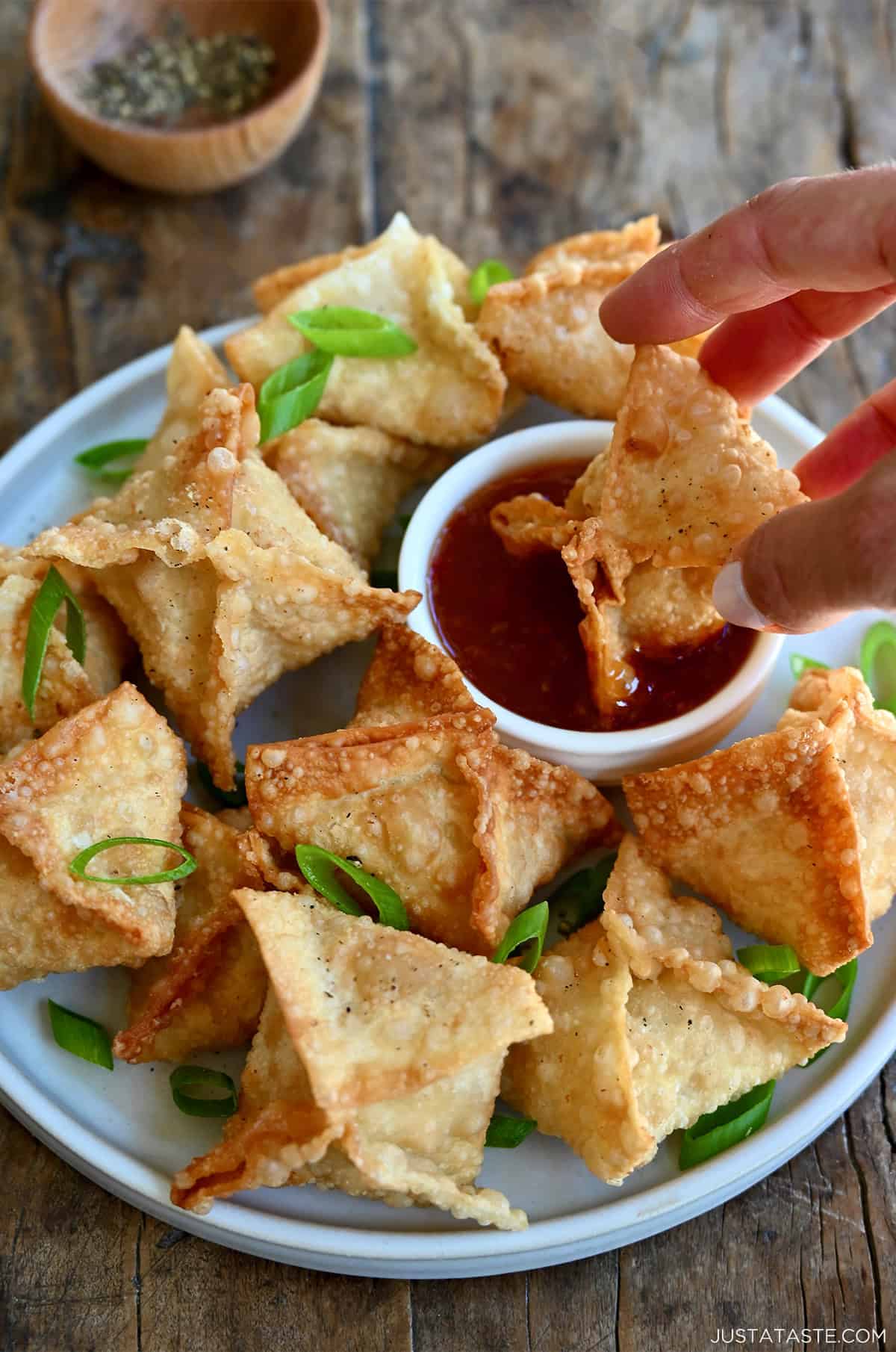
crab rangoon. That irresistible combination of a shatteringly crisp, golden wonton exterior giving way to a warm, molten, and creamy crab filling is pure culinary magic. If you, like us, find yourself ordering these delightful parcels every time they appear on a Chinese restaurant menu, then get ready to elevate your takeout game. We’re about to dive into mastering homemade crab rangoon that isn’t just good – it’s *better* than takeout, offering that authentic restaurant-style experience right in your own kitchen.
Forget soggy, bland imitations. Our guide focuses on achieving those coveted golden blisters and that rich, savory-sweet interior with real crab, simple ingredients, and a foolproof deep-frying method. We’ll cover everything from selecting the best components to the art of folding and frying, ensuring every bite is a testament to your newfound rangoon mastery.
Unlocking the Secret to Superior Crab Rangoon: Key Ingredients
The foundation of any exceptional dish lies in its ingredients. For
crab rangoon, the quality and preparation of a few key components make all the difference between good and truly great.
- Cream Cheese: The Heart of the Filling
This is non-negotiable. For that luxuriously smooth, lump-free filling, always bring your cream cheese to room temperature before mixing. Typically, 30-45 minutes on the counter is sufficient. This simple step ensures it blends seamlessly with other ingredients, creating a velvety texture that’s impossible to achieve with cold, stiff cream cheese. For the richest flavor, opt for full-fat cream cheese.
- Crab Meat: Real Deal vs. Budget-Friendly Options
While imitation crab works in a pinch and offers a slightly sweeter, milder flavor, for truly superior rangoon, invest in good quality lump crab meat. You'll usually find it in a plastic tub in the refrigerated seafood section. It's pricier, but the difference in flavor and texture is profound – real crab brings a natural sweetness and delicate brininess that elevates the entire dish. Whichever you choose, remember to drain it exceptionally well to prevent a watery filling that could compromise your wontons. For more insights on selecting the best crab for your rangoon, check out our guide on Secret to Perfect Crab Rangoon: Real Crab & Creamy Filling Tips.
- Soy Sauce: The Umami Kick
Many recipes call for various seasonings, but for that quintessential Chinese-American takeout flavor, a good quality light soy sauce is often all you need. It provides the perfect balance of saltiness and a crucial umami depth. While Worcestershire sauce is sometimes used, soy sauce delivers a more classic profile that enhances the crab and cream cheese without overpowering them. A tiny pinch of garlic powder or white pepper can also add subtle complexity without straying too far from tradition.
- Wonton Wrappers: The Crispy Envelope
These delicate sheets are the vessel for your creamy filling and the key to that satisfying crunch. Look for them in the refrigerated produce section of your grocery store. A critical tip: keep your wonton wrappers covered with a damp towel while you work. Dry wrappers become brittle, making them difficult to seal properly and significantly increasing the likelihood of splitting during frying, leading to a greasy, leaked-out mess. Freshness and pliability are paramount.
- Oil for Frying: The Golden Rule
For deep-frying, always choose a neutral-flavored oil with a high smoke point. Excellent choices include vegetable, canola, grapeseed, or avocado oil. Avoid olive oil, as its low smoke point means it will break down and smoke at high temperatures, imparting an unpleasant flavor to your rangoon and potentially burning. The right oil ensures a clean, crisp fry without any unwanted tastes.
Crafting the Perfect Filling: Texture and Flavor Harmony
With your ingredients prepped, it's time to create the creamy, dreamy heart of your
crab rangoon. This step is surprisingly straightforward but demands a little attention to detail for the best results.
Start by combining your room-temperature cream cheese with soy sauce and any additional seasonings. Use a spatula or spoon to mix until the base is perfectly smooth and creamy, with no lumps whatsoever. This smooth base is crucial for the overall texture of the filling.
Once you have your creamy foundation, gently fold in the drained crab meat. The emphasis here is on *gently*. You want to keep the crab pieces as intact as possible. Overmixing will shred the crab, resulting in a homogenous mush rather than the delightful creamy-but-chunky texture that makes each bite so satisfying. This careful folding ensures you get discernable pieces of crab alongside the rich cream cheese.
Before you begin assembling, it's a good idea to taste a tiny bit of the filling (if you're comfortable tasting raw ingredients, or you can briefly microwave a tiny spoonful to cook it). This allows you to adjust the seasoning, adding a touch more soy sauce for saltiness or even a tiny pinch of sugar to balance the savory notes and enhance the crab's natural sweetness.
The Art of Folding: From Wonton to Crispy Delight
Folding
crab rangoon might seem intimidating at first glance, but it's a simple process once you get the hang of it. A little practice and a well-organized workspace will have you churning out perfect parcels in no time.
First, set up your "folding station." Lay out a few wonton wrappers on a clean surface, have a small bowl of water nearby (this acts as your "glue"), and prepare a baking sheet lined with parchment paper or a non-stick mat to hold your finished rangoon. Remember to keep the unused wrappers covered with a damp towel to prevent them from drying out.
There are several popular folding techniques, but one of the simplest and most common for crab rangoon is the "purse" or "flower" shape.
- Place a single wonton wrapper flat on your surface, with one corner pointing towards you (like a diamond).
- Scoop about a teaspoon (no more than two, to avoid overfilling) of the crab and cream cheese filling into the center of the wrapper. Overfilling is a common mistake that leads to burst rangoon in the fryer.
- Dip your finger in the bowl of water and lightly moisten all four edges of the wonton wrapper. This creates the seal.
- Bring two opposite corners of the wrapper together over the filling and pinch them firmly to seal.
- Then, bring the remaining two corners up towards the center, pinching all four corners together to form a small "purse" or "star" shape. Ensure all edges are tightly sealed, pushing out any air pockets around the filling. A tight seal prevents the filling from escaping and oil from seeping in during frying.
As you finish each rangoon, place it on your prepared baking sheet. If you're not frying them immediately, you can lightly dust them with cornstarch to prevent sticking, or even freeze them for later (fry from frozen, adding a minute or two to the cooking time).
Frying for Flawless Crispiness: Techniques and Tips
This is where the magic truly happens – transforming your carefully folded parcels into those irresistible, crispy
crab rangoon you crave. The key to restaurant-quality crispiness lies in proper oil temperature and smart frying techniques. For an even deeper dive into achieving that perfect deep-fried result, check out our guide on
Deep-Fried Crab Rangoon: Achieve Restaurant Quality at Home.
Start by heating your chosen neutral oil in a deep pot or Dutch oven over medium-high heat. Aim for about 2-3 inches of oil, enough to submerge the rangoon without touching the bottom. The ideal oil temperature for frying crab rangoon is between 350-375°F (175-190°C). We highly recommend using a deep-fry thermometer to monitor this accurately.
- Temperature Control is Crucial:
- If the oil is too cold, the wontons will absorb too much oil, becoming greasy and soft rather than crisp.
- If the oil is too hot, the outside will burn before the filling is heated through, resulting in a dark, bitter crust and a cold center.
- Fry in Batches:
Resist the urge to overcrowd the pot. Frying too many rangoon at once will drastically lower the oil temperature, leading to a greasy, less crispy result. Fry in small batches, usually 4-6 pieces at a time, allowing each one ample space to cook evenly.
- Golden Perfection:
Carefully lower the rangoon into the hot oil using tongs. Fry for about 2-4 minutes, turning occasionally, until they are beautifully golden brown and blistered on all sides. The wonton wrappers will puff up and achieve that signature crispness.
- Drain and Serve:
Once golden, remove the rangoon from the oil using a slotted spoon or spider, and transfer them to a wire rack set over a sheet pan lined with paper towels. This allows excess oil to drain away, ensuring maximum crispiness. Serve immediately!
Serving Suggestions and Conclusion
Freshly fried, piping hot
crab rangoon are a treat best enjoyed right away. The contrast of the hot, creamy filling with the delicate, crisp wrapper is truly unparalleled. While they are phenomenal on their own, dipping sauces elevate the experience. Classic choices include sweet and sour sauce, hot Chinese mustard, duck sauce, or even a drizzle of chili oil for those who like a little kick.
Making crab rangoon at home is a rewarding culinary adventure that promises a significant upgrade from your usual takeout order. With fresh ingredients, a little patience in folding, and careful attention to frying temperatures, you can consistently achieve that coveted crispy, creamy perfection. So, next time that craving hits, don your apron, heat up the oil, and get ready to impress yourself and your loved ones with homemade crab rangoon that truly is better than takeout. Enjoy every crunchy, flavorful bite!