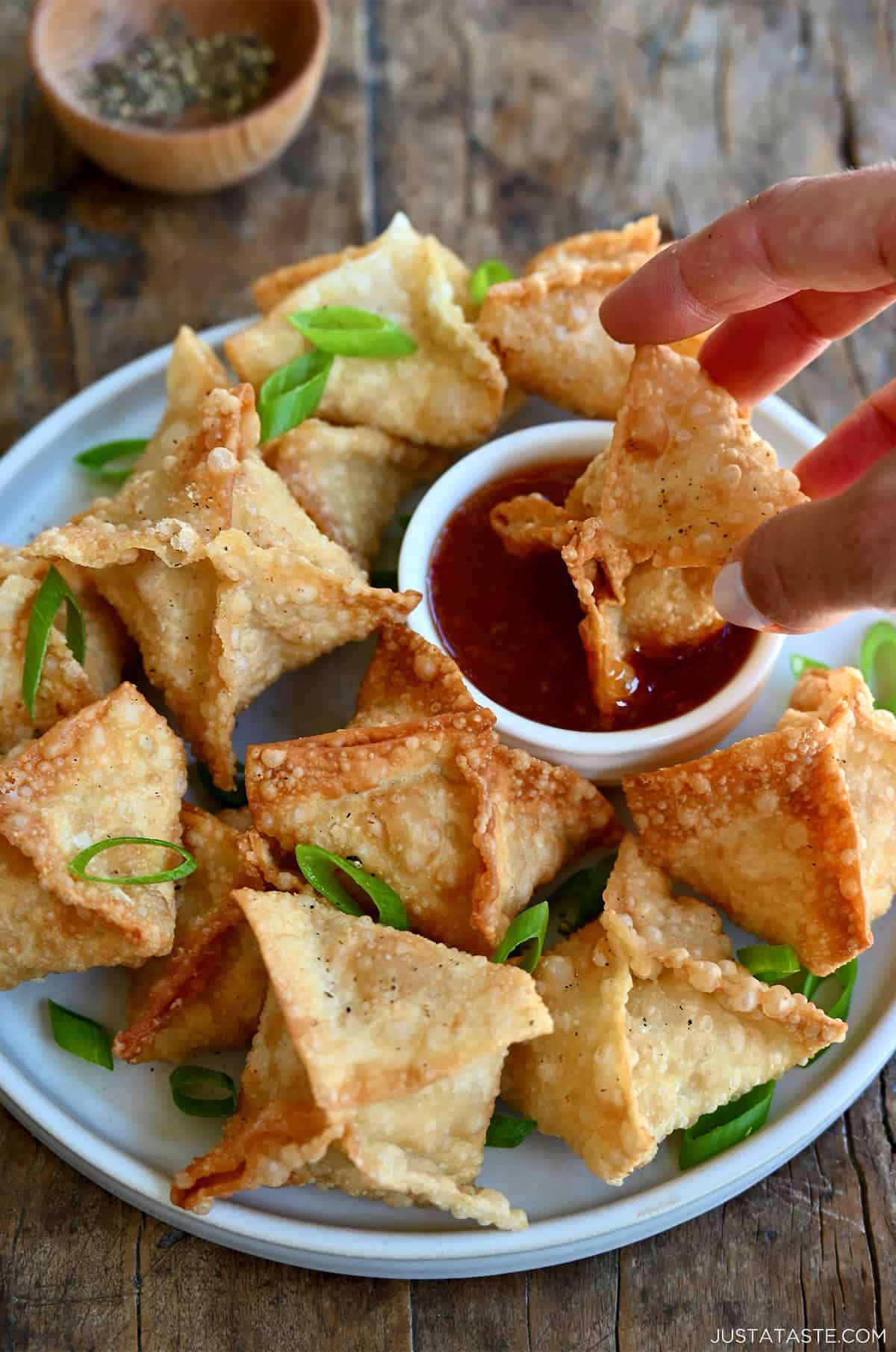
Deep-Fried Crab Rangoon: Achieve Restaurant Quality at Home
There are some appetizers that transcend mere snacks, becoming an experience in themselves. For countless food lovers,
crab rangoon holds that coveted spot. Those golden, blistered wontons, boasting a shatteringly crisp exterior that gives way to a molten, creamy crab filling, are an irresistible staple of Chinese-American cuisine. While ordering them for takeout is a delight, the sheer satisfaction of recreating that restaurant-quality magic in your own kitchen is unparalleled. Today, we’re diving deep into the art of making deep-fried crab rangoon that will rival – and perhaps even surpass – your favorite takeout spot.
Forget settling for mediocre. We’re going to demystify the process, from selecting the finest ingredients to mastering the perfect frying technique, ensuring every bite delivers that iconic blend of savory, sweet, and unbelievably creamy texture. Get ready to heat up the oil and elevate your homemade appetizer game to an entirely new level.
The Anatomy of a Perfect Crab Rangoon
Before we roll up our sleeves, let's dissect what makes a truly exceptional crab rangoon. It's a delicate balance of contrasting textures and complementary flavors.
1.
The Crispy Wrapper: This is the first impression. It needs to be golden brown, blistered in all the right places, and audibly crisp, shattering with each bite. A perfectly fried wrapper should be light, not greasy.
2.
The Creamy Filling: The heart of the rangoon. It should be rich, smooth, and lump-free, with the subtle sweetness of crab shining through. The flavor profile is typically savory with a hint of umami, often achieved with minimal seasoning to let the crab and cream cheese take center stage.
3.
The Balance: The magic happens when the crunchy exterior perfectly cradles the warm, luscious interior. No soggy bottoms, no dry fillings – just pure, unadulterated pleasure.
Achieving this balance requires attention to detail at every stage, from ingredient selection to the final dip in the hot oil.
Essential Ingredients for Unforgettable Crab Rangoon
Crafting the perfect
crab rangoon starts with quality ingredients. While the list is relatively short, each component plays a crucial role in achieving that signature taste and texture.
- Cream Cheese: The Foundation of Creaminess
This is non-negotiable for that signature creamy texture. Always, and we mean always, bring your cream cheese to room temperature before mixing. Cold cream cheese is stiff and will result in a lumpy filling, no matter how much you try to whisk it. A good rule of thumb is to let it sit on your counter for 30-45 minutes. For best results, opt for full-fat cream cheese; its richness contributes significantly to the indulgent mouthfeel.
- Crab Meat: The Star of the Show
While imitation crab meat (surimi) is a budget-friendly and widely used alternative, for a truly restaurant-quality experience, real crab meat is paramount. We highly recommend using lump crab meat, often found in plastic tubs in the refrigerated seafood section. It's pricier, but the superior flavor and flaky texture are undeniably worth it. Remember to drain it exceptionally well to prevent a watery filling. If you're opting for imitation crab, ensure it's also well-drained and perhaps gently flaked to mimic the texture of real crab. For more insights on choosing the best crab, check out our guide on the Secret to Perfect Crab Rangoon: Real Crab & Creamy Filling Tips.
- Soy Sauce: The Umami Enhancer
In many classic crab rangoon recipes, soy sauce serves as the primary seasoning, providing both saltiness and a crucial depth of umami. Its savory notes complement the crab and cream cheese beautifully, delivering that familiar Chinese takeout flavor profile. While some recipes may call for Worcestershire sauce, we find that a good quality light soy sauce is all you need to achieve the authentic taste without overcomplicating the flavor.
- Wonton Wrappers: The Crispy Canvas
These thin, pliable squares are your vessel for deliciousness. You'll typically find them in the refrigerated produce section of most grocery stores. When working with wonton wrappers, a critical tip is to keep them covered with a damp towel at all times while you’re assembling your rangoon. Dry wrappers are brittle, difficult to seal properly, and much more prone to tearing or splitting during frying, leading to messy leaks. Square wrappers are most common, but some prefer round for specific folding styles.
- Oil for Frying: The Heat Medium
Choosing the right oil is fundamental for deep-frying success. You need a neutral-flavored oil with a high smoke point. Excellent choices include vegetable oil, canola oil, and avocado oil. These oils can withstand the high temperatures required for deep-frying without breaking down or imparting undesirable flavors. Steer clear of olive oil, as its low smoke point and distinct flavor make it unsuitable for this application.
Mastering the Art of Folding and Frying Your Crab Rangoon
Once your ingredients are prepped, the next steps are assembly and frying. Don't be intimidated; with a little practice, you'll be folding and frying like a pro.
Crafting the Creamy Crab Filling
Begin by thoroughly mixing your room-temperature cream cheese until it's perfectly smooth. This is your base. Next, stir in the soy sauce until fully incorporated. Finally, gently fold in the drained crab meat. The key here is *gentle* folding – you want to keep the crab pieces as intact as possible, ensuring delightful pockets of flaky crab in every bite. Overmixing will break down the crab too much.
The Wonton Folding Station
Efficiency is your friend here. Set up a dedicated folding station:
- Lay out your wonton wrappers (remember the damp towel!).
- Have a small bowl of water nearby for sealing.
- Prepare a baking sheet lined with parchment paper or a wire rack to hold your folded rangoon before frying.
Folding Techniques for Classic Shapes
There are several ways to fold a crab rangoon, but two popular methods ensure a good seal and appealing shape:
*
The Triangle Fold:
1. Place a wrapper flat on your work surface.
2. Spoon about 1 teaspoon of filling into the center.
3. Dip your finger in water and moisten two adjacent edges of the wrapper.
4. Fold the wrapper diagonally to form a triangle, pressing firmly along the moistened edges to seal, ensuring no air is trapped inside.
*
The Purse/Star Fold:
1. Place a wrapper flat.
2. Spoon about 1 teaspoon of filling into the center.
3. Moisten all four edges of the wrapper with water.
4. Bring two opposite corners up to meet in the middle over the filling, pinching them together.
5. Then, bring the other two opposite corners up to meet the first two, pinching all four corners together at the top to form a star or purse shape. Press all the edges firmly to seal.
Regardless of the fold,
ensure a tight seal. Any gaps can lead to the filling oozing out during frying.
Deep-Frying for Golden Perfection
This is where your crab rangoon transform from humble parcels into crispy, golden delights.
- Preheat the Oil: Pour your chosen high smoke point oil into a heavy-bottomed pot or a deep fryer to a depth of about 2-3 inches. Heat the oil to 350-375°F (175-190°C). An accurate deep-fry thermometer is invaluable here.
- Fry in Batches: Do not overcrowd the pot. Fry only 4-6 rangoon at a time, depending on the size of your pot. Overcrowding will drastically drop the oil temperature, leading to greasy, soggy rangoon.
- Achieve Golden Crispness: Fry for 2-4 minutes, or until they are beautifully golden brown and blistered. Use tongs or a spider strainer to turn them occasionally for even browning.
- Drain Properly: Once golden, remove the rangoon from the oil and transfer them to a wire rack placed over a baking sheet lined with paper towels. This allows excess oil to drip off, keeping them crisp.
For a more comprehensive guide to deep-frying techniques and achieving the perfect crunch, consider reading our article
Master Crispy Crab Rangoon at Home: Better Than Takeout Guide.
Pro Tips for Deep-Frying Success & Serving Your Homemade Crab Rangoon
To truly nail that restaurant-quality experience and ensure safety, keep these expert tips in mind:
*
Oil Temperature is King: Consistency in oil temperature is crucial. If the oil is too cool, the rangoon will absorb too much oil and become greasy. If it's too hot, they'll burn on the outside before the filling heats through. A thermometer is your best friend.
*
Safety First: When deep-frying, never leave the hot oil unattended. Keep a fire extinguisher (rated for grease fires) nearby, and be mindful of splatter.
*
Make Ahead & Freezing: You can prepare the filling a day in advance and store it in the fridge. You can also assemble the rangoon ahead of time and keep them covered in the fridge for a few hours. For longer storage, freeze un-fried rangoon on a baking sheet until solid, then transfer to a freezer-safe bag. Fry directly from frozen, adding a minute or two to the cooking time.
*
Serving Suggestions: The classic accompaniments for crab rangoon are sweet and sour sauce or hot Chinese mustard. Both offer a delightful contrast to the rich, creamy filling. Don't be afraid to experiment with other dipping sauces like duck sauce, sweet chili sauce, or even a homemade sriracha mayo for a bit of a kick. They're best served immediately while still warm and crisp.
Conclusion
There’s an undeniable satisfaction that comes from mastering a beloved takeout dish in your own kitchen. By focusing on quality ingredients, paying attention to the details of assembly, and exercising care during the frying process, you can achieve deep-fried
crab rangoon that are every bit as delicious, crispy, and creamy as those from your favorite Chinese restaurant. So, gather your ingredients, follow these steps, and prepare to impress yourself and your guests with these irresistible homemade treats. Happy frying!